
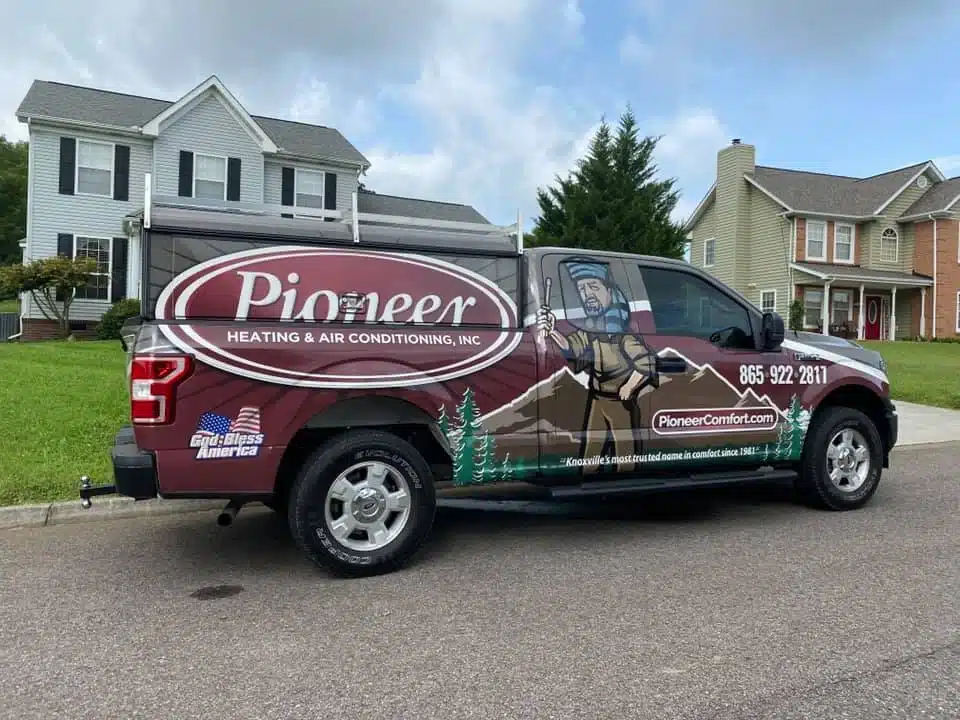
Tennessee’s volatile weather patterns bring everything from devastating tornadoes to severe thunderstorms, ice storms, and flash flooding that can cause significant damage to your home’s critical systems. Whether you’re dealing with the aftermath of a Tennessee tornado, severe storm damage, or winter ice storms, knowing how to properly assess your home’s safety and functionality is crucial for protecting your family and property investment.
Immediate Post-Storm Safety Assessment Protocol
The first 24 hours after a severe weather event in Tennessee require systematic evaluation of your home’s safety and structural integrity. Before checking any systems or beginning cleanup efforts, establishing basic safety protocols protects your family from hidden dangers that storms often leave behind.
Critical Safety Checks Before Entering Your Home
Exterior Safety Evaluation
- Check for downed power lines near your property, never approach or attempt to move them
- Inspect structural damage including roof damage, broken windows, or foundation shifts
- Look for gas leaks by checking for unusual odors around gas meters and appliances
- Evaluate water damage from flooding that may have compromised electrical systems
Interior Safety Protocols
- Test electrical systems by checking main breaker panels for water exposure or damage
- Inspect for water intrusion that could create electrical hazards or mold growth
- Check air quality for unusual odors that might indicate gas leaks or chemical spills
- Document all damage with photos for insurance claims before moving anything
| Safety Priority Level | Immediate Actions Required | Professional Help Needed |
| Critical | Gas leaks, electrical hazards, structural damage | Emergency services, utilities |
| High | Water intrusion, HVAC damage, broken windows | Contractors, HVAC technicians |
| Moderate | Minor roof damage, landscaping, cosmetic issues | Specialized repair services |
Comprehensive Exterior Inspection Methods for Tennessee Homes
Tennessee’s diverse weather patterns create specific types of damage that homeowners must systematically evaluate. From tornado damage in Middle Tennessee to ice storm impacts across the state, each weather event requires targeted inspection approaches.
Roofing and Structural Assessment Techniques
Visual Roof Inspection from Ground Level
- Missing or damaged shingles that could allow water infiltration
- Gutters and downspouts checking for detachment or damage from high winds
- Chimney integrity looking for loose bricks or structural shifts
- Siding damage from hail or flying debris common in Tennessee storms
Foundation and Exterior Wall Evaluation
- Crack assessment in foundation walls that could indicate structural settling
- Window and door frame inspection for damage that compromises home security
- Outdoor HVAC unit examination checking for physical damage or debris impact
- Fence and tree damage that could pose ongoing safety hazards
Pros and Cons of DIY vs Professional Exterior Inspection
| Approach | Advantages | Disadvantages |
| DIY Inspection | Immediate assessment, no waiting, cost-effective | May miss critical damage, safety risks, insurance issues |
| Professional Inspection | Expert evaluation, insurance documentation, safety compliance | Higher cost, scheduling delays, availability issues |
Interior System Safety Verification
Tennessee storms can impact your home’s critical systems in ways that aren’t immediately visible, making thorough interior inspection essential for long-term safety and comfort. Electrical, plumbing, and HVAC systems require specific evaluation techniques to identify potential problems.
HVAC System Post-Storm Assessment
Air Conditioning and Heating System Inspection Pioneer Comfort’s experienced technicians recommend checking several critical components after any severe Tennessee weather event:
- Outdoor unit inspection for physical damage from hail, debris, or falling branches
- Ductwork evaluation checking for disconnections or damage in crawl spaces and attics
- Electrical connections ensuring storm surges haven’t damaged control systems
- Air filtration systems replacing filters that may be clogged with storm debris
Immediate HVAC Safety Steps Homeowners Can Take
- Turn off power to outdoor units if any visible damage is present
- Check indoor air quality by running systems briefly and monitoring for unusual odors
- Inspect vents and registers for debris or water infiltration
- Test thermostat functionality to ensure control systems survived power surges
Electrical and Plumbing System Evaluation
Electrical System Storm Damage Assessment
- Circuit breaker inspection checking for tripped breakers or water exposure
- Outlet and switch testing ensuring proper function throughout affected areas
- Light fixture examination looking for water damage or loose connections
- Appliance functionality checks testing major appliances for storm-related damage
Plumbing System Integrity Verification
- Water pressure testing to identify possible pipe damage from freezing or impact
- Leak detection checking for new leaks that may have developed during storms
- Water quality assessment ensuring storm runoff hasn’t contaminated your water supply
- Drain functionality testing that storm debris hasn’t clogged drainage systems
Tennessee-Specific Storm Damage Considerations
The Volunteer State’s diverse geography and climate patterns create unique challenges that homeowners must understand when assessing post-storm damage. From the Mississippi River flooding to Appalachian ice storms, each region faces distinct weather-related risks.
Regional Weather Pattern Impact Analysis
Middle Tennessee Tornado Alley Considerations
- Structural damage assessment from high winds and debris impact
- HVAC system displacement checking for equipment movement or damage
- Foundation settling from rapid pressure changes during tornado events
- Utility disruption recovery planning for extended power outages
East Tennessee Mountain Weather Challenges
- Ice storm damage evaluation checking for weight-related structural stress
- Heating system performance ensuring backup heating sources after power loss
- Water pipe freeze protection assessing damage from rapid temperature changes
- Drainage system functionality managing snowmelt and runoff issues
West Tennessee Flood and Severe Storm Impacts
- Water damage assessment from flash flooding and heavy rainfall
- Moisture control evaluation preventing mold growth in humid conditions
- Electrical system safety ensuring flood waters haven’t compromised wiring
- Foundation water intrusion checking basement and crawl space areas
Professional Service Integration and When to Call Experts
Knowing when to tackle repairs yourself versus calling professional services can save time, money, and prevent safety hazards. Pioneer Comfort’s comprehensive approach helps Tennessee homeowners navigate post-storm recovery efficiently and safely.
Pioneer Comfort’s Post-Storm HVAC Services
Emergency HVAC Assessment and Repair Pioneer Comfort provides 24/7 emergency services specifically designed for Tennessee storm recovery:
- Rapid system evaluation to determine functionality and safety
- Emergency repairs to restore heating and cooling quickly
- Insurance claim support providing detailed damage documentation
- Preventive maintenance ensuring systems continue operating efficiently
Comprehensive System Restoration Services
- Complete system replacement when storm damage is extensive
- Electrical component repair addressing surge damage and control issues
- Ductwork repair and sealing restoring proper airflow and efficiency
- Air quality improvement installing upgraded filtration after storm contamination
When Professional Help Becomes Essential
Immediate Professional Intervention Required
- Gas leaks or electrical hazards requiring emergency utility services
- Structural damage needing immediate engineering assessment
- Major HVAC system damage affecting home safety and comfort
- Water intrusion requiring rapid moisture control and mold prevention
Planned Professional Services
- Insurance claim documentation ensuring proper damage assessment
- Permit requirements for major repair and replacement projects
- Code compliance ensuring all repairs meet current Tennessee building standards
- Long-term system optimization improving resilience against future storms
Preventive Measures for Future Tennessee Storm Events
Learning from storm damage helps Tennessee homeowners better prepare for future weather events. Implementing strategic improvements and maintenance schedules reduces vulnerability and improves recovery time after severe weather.
Home Resilience Improvement Strategies
HVAC System Storm Protection
- Surge protector installation protecting expensive equipment from electrical damage
- Outdoor unit securing preventing displacement during high winds
- Backup power solutions maintaining comfort during extended outages
- Regular maintenance scheduling ensuring systems operate at peak efficiency
Structural Preparation Techniques
- Tree trimming and removal eliminating potential projectiles near your home
- Roof maintenance ensuring shingles and gutters can withstand severe weather
- Window protection installing storm shutters or impact-resistant glass
- Emergency supply preparation maintaining basic supplies for extended outages
Related Topics for Tennessee Storm Preparedness
Understanding post-storm safety connects to broader home protection strategies that Tennessee homeowners should consider:
Emergency HVAC Maintenance for Tennessee Weather
- Seasonal preparation checklists for Tennessee’s variable climate
- Backup heating and cooling solutions for extended outages
- Generator integration with HVAC systems for continuous comfort
Tennessee Home Weatherization and Storm Protection
- Insulation improvements for better storm resilience
- Air sealing techniques to prevent storm-related infiltration
- Moisture control strategies for Tennessee’s humid climate
Insurance and Documentation for Tennessee Storm Damage
- Proper documentation techniques for HVAC and home system damage
- Working with insurance adjusters on storm-related claims
- Understanding coverage for different types of weather damage
Seasonal Storm Preparation for Tennessee Homeowners
- Winter storm preparation including heating system maintenance
- Spring severe weather readiness including tornado preparedness
- Summer storm season HVAC optimization and protection strategies
Secure Your Tennessee Home’s Recovery with Pioneer Comfort
Don’t let storm damage compromise your family’s safety and comfort or turn into long-term problems that affect your home’s value and efficiency. Professional post-storm assessment ensures all damage is properly identified, documented, and repaired to protect your investment and maintain safe living conditions.
Ready to ensure your Tennessee home is truly safe and functional after storm damage? Pioneer Comfort’s experienced technicians understand exactly what Tennessee storms can do to home systems and provide comprehensive evaluation, repair, and restoration services. Our team combines emergency response capabilities with detailed insurance documentation to help you recover quickly while ensuring all work meets current safety standards.
Contact Pioneer Comfort today for professional post-storm assessment and repair services designed specifically for Tennessee weather challenges. Let our expertise and commitment to quality ensure your home’s systems are not just repaired, but improved to better withstand future storms while maintaining peak efficiency and safety.